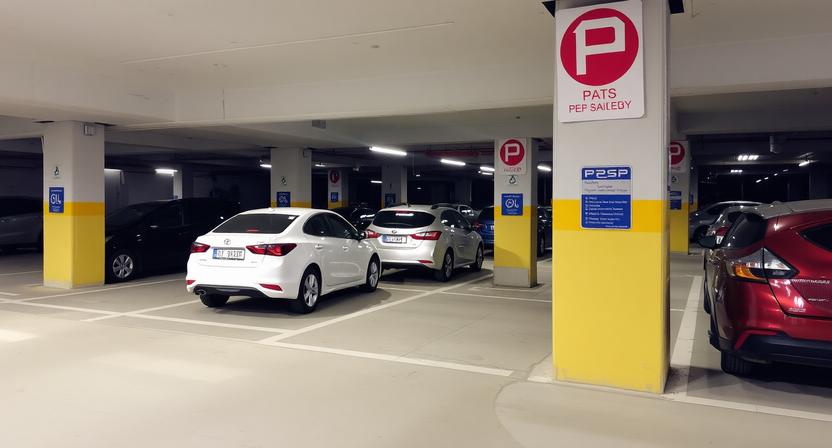
Parking services play a critical role in managing urban infrastructure, supporting mobility, and ensuring efficient use of limited space. As cities grow denser and vehicle ownership continues to rise, the demand for organized, technology-driven parking solutions has intensified. From public parking lots and private garages to smart parking systems and enforcement mechanisms, the industry has evolved significantly over the past decade.
Effective parking services are no longer just about providing space for vehicles. They now integrate data analytics, digital payment systems, real-time availability tracking, and regulatory compliance to improve user experience and optimize city operations.
The Evolution of Parking Services
Traditionally, parking services were manual and often inefficient. Drivers spent significant time searching for available spots, and operators relied on physical ticketing systems. However, the emergence of digital transformation has reshaped the sector.
Key developments include:
- Automated payment systems: Mobile apps and contactless payments reduce friction
- Real-time occupancy tracking: Sensors and cameras monitor parking availability
- Dynamic pricing models: Prices adjust based on demand and time
- Integration with navigation systems: Drivers can locate parking before reaching their destination
These advancements have improved both operational efficiency and customer satisfaction.
Types of Parking Services
Parking services can be broadly categorized based on ownership, accessibility, and functionality.
1. On-Street Parking
Managed by municipalities, on-street parking is commonly found in commercial areas. It often includes:
- Metered parking
- Time-restricted zones
- Permit-based residential parking
2. Off-Street Parking
This includes parking lots and multi-level garages operated by public or private entities. These facilities typically offer:
- Higher capacity
- Enhanced security
- Long-term parking options
3. Valet Parking
Often associated with hotels, malls, and premium establishments, valet services prioritize convenience by handling vehicle parking on behalf of customers.
4. Smart Parking Systems
A rapidly growing segment, smart parking integrates IoT (Internet of Things), sensors, and cloud-based systems to optimize space utilization and user experience.
Role of Technology in Modern Parking
Technology has become the foundation of modern parking services. Key components include:
Real-Time Data Systems
Sensors installed in parking spaces provide live updates on availability. This data is transmitted to mobile apps or digital boards, helping drivers locate open spots quickly.
Mobile Applications
Parking apps allow users to:
- Reserve parking in advance
- Make digital payments
- Extend parking time remotely
- Receive alerts and notifications
License Plate Recognition (LPR)
LPR systems automate entry and exit processes, reducing the need for physical tickets. They also support enforcement by identifying violations.
Cloud-Based Management Platforms
Operators use centralized dashboards to monitor occupancy, revenue, and system performance in real time.
Parking Enforcement and Compliance
Enforcement is a crucial component of parking services, ensuring that regulations are followed and spaces are used efficiently. Without proper enforcement, even the most advanced systems can fail.
Common enforcement mechanisms include:
- Issuing fines for violations
- Monitoring time limits
- Managing unauthorized parking
- Ensuring compliance with permit systems
In regions such as Parking Enforcement New Zealand, structured frameworks and digital tools are used to maintain compliance and streamline operations. These systems often combine automated monitoring with field enforcement teams to ensure accuracy and efficiency.
Benefits of Efficient Parking Services
1. Reduced Traffic Congestion
Studies have shown that a significant percentage of urban traffic is caused by drivers searching for parking. Efficient systems reduce this issue by guiding drivers directly to available spots.
2. Improved Urban Planning
Data collected from parking systems helps city planners understand traffic patterns, demand fluctuations, and infrastructure needs.
3. Increased Revenue
Dynamic pricing and better space utilization lead to higher revenue for operators and municipalities.
4. Enhanced User Experience
Convenience, speed, and transparency improve customer satisfaction and encourage repeat usage.
5. Environmental Impact
Reduced idle driving lowers fuel consumption and emissions, contributing to sustainability goals.
Challenges in Parking Services
Despite advancements, the parking industry faces several challenges:
- Space limitations: Urban areas have finite space for parking expansion
- High infrastructure costs: Smart systems require significant investment
- Regulatory complexities: Different regions have varying rules and compliance requirements
- User adoption: Not all users are comfortable with digital systems
- Data privacy concerns: Handling user data requires strict security measures
Best Practices for Parking Service Providers
To remain competitive and efficient, operators should adopt the following practices:
Technology Integration
- Implement IoT-based sensors and real-time tracking
- Use mobile apps for customer interaction
- Adopt cloud-based management systems
Customer-Centric Approach
- Simplify payment processes
- Provide clear signage and navigation
- Offer flexible pricing options
Data-Driven Decision Making
- Analyze usage patterns
- Optimize pricing strategies
- Improve space allocation
Strong Enforcement Systems
- Use automated monitoring tools
- Ensure consistent rule enforcement
- Maintain transparency in penalty systems
Sustainability Initiatives
- Encourage electric vehicle (EV) parking
- Implement green infrastructure
- Reduce energy consumption in facilities
Future Trends in Parking Services
The parking industry is expected to evolve further with advancements in technology and changing mobility patterns.
Autonomous Vehicles
Self-driving cars will require new parking models, including remote parking and automated garages.
Integration with Smart Cities
Parking systems will become part of broader smart city ecosystems, connecting with traffic management, public transport, and urban planning systems.
AI and Predictive Analytics
Artificial intelligence will enable demand forecasting, dynamic pricing optimization, and improved operational efficiency.
Shared Mobility Impact
Ride-sharing and car-sharing services may reduce parking demand in some areas while increasing it in others.
Practical Checklist for Implementing Parking Services
For organizations planning to develop or upgrade parking services:
Infrastructure
- Assess location demand and capacity
- Plan for scalability
Technology
- Choose reliable sensor and software providers
- Ensure system interoperability
Operations
- Train staff for digital systems
- Establish maintenance protocols
Compliance
- Align with local regulations
- Implement enforcement mechanisms
Customer Experience
- Provide multiple payment options
- Ensure ease of access and navigation
Data Management
- Secure user data
- Use analytics for continuous improvement
Conclusion
Parking services have transformed from simple space management systems into complex, technology-driven solutions that support urban mobility. With increasing urbanization and vehicle density, the importance of efficient parking infrastructure will continue to grow.
Organizations and municipalities that invest in smart technologies, data-driven strategies, and customer-focused approaches will be better positioned to address future challenges. At the same time, strong enforcement systems and regulatory compliance remain essential to ensure fairness and efficiency.
As the industry evolves, the integration of parking services with broader mobility ecosystems will define the next phase of innovation, making parking not just a necessity, but a seamless part of the urban experience.