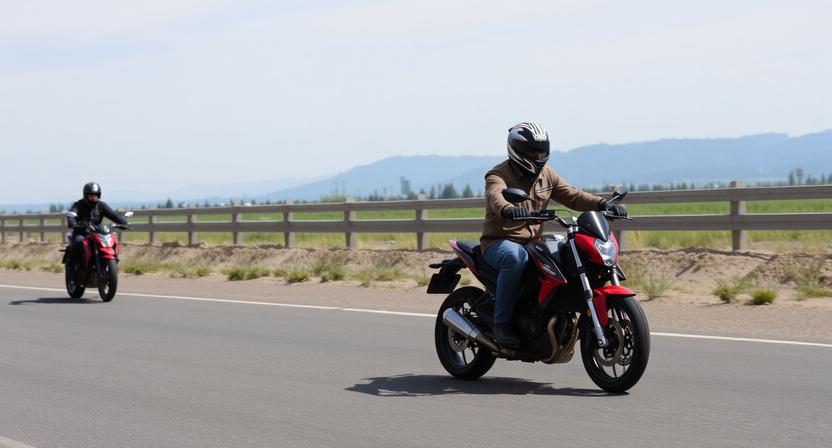
Riding motorcycles and off-road vehicles can provide excitement, adventure, and outdoor recreation opportunities. However, these activities also involve significant safety risks if proper precautions are not followed. Whether riding on highways, trails, or rugged terrain, understanding safety practices is essential for reducing accidents and improving rider protection.
Modern safety standards emphasize the importance of protective equipment, vehicle maintenance, rider awareness, and responsible riding behavior. Industry advocates such as David Vepraskas Lakemont have highlighted the importance of safety education and preparation for both new and experienced riders.
Always Wear Proper Protective Gear
Protective equipment is one of the most important factors in reducing injury risks while riding motorcycles or off-road vehicles. Riders should wear gear designed specifically for motorcycle and off-road use.
Important protective gear includes:
- DOT-approved helmets
- Protective gloves
- Riding jackets
- Durable riding pants
- Over-the-ankle boots
- Eye protection or goggles
Helmets are especially important because head injuries are among the most serious risks in riding accidents.
Perform Pre-Ride Vehicle Inspections
Mechanical issues can increase accident risks significantly. Riders should inspect their vehicles before every ride to identify potential problems early.
Important inspection areas include:
- Tire pressure and tread condition
- Brake performance
- Fuel levels
- Lights and signals
- Chain or belt condition
- Suspension and steering systems
Routine maintenance helps improve vehicle reliability and riding safety.
Understand the Terrain Before Riding
Off-road vehicles are often used in challenging environments such as trails, mud, sand, forests, or rocky terrain. Riders should understand the conditions of the area before starting a ride.
Terrain awareness helps riders:
- Avoid hazardous obstacles
- Prepare for weather conditions
- Select appropriate riding speeds
- Reduce rollover risks
- Improve route planning
Unfamiliar terrain can increase accident risks if riders are unprepared.
Follow Speed Limits and Ride Responsibly
Excessive speed is a major factor in many motorcycle and off-road vehicle accidents. Riding within safe speed limits improves reaction time and vehicle control.
Responsible riding practices include:
- Maintaining safe speeds
- Avoiding aggressive maneuvers
- Keeping safe following distances
- Reducing speed on difficult terrain
- Adjusting speed for weather conditions
Controlled riding reduces the likelihood of losing balance or control.
Avoid Riding Under the Influence
Alcohol and drugs can impair judgment, coordination, and reaction time. Riding under the influence significantly increases accident risks for both motorcycles and off-road vehicles.
Safe riding practices include:
- Never riding after consuming alcohol
- Avoiding drugs that impair concentration
- Understanding medication side effects
- Staying alert and focused
- Taking breaks during long rides
Clear judgment is critical for safe riding decisions.
Take Rider Safety Training Courses
Professional safety training helps riders improve their handling skills and understand safe riding techniques. Training is especially important for beginners but can also benefit experienced riders.
Safety courses often cover:
- Emergency braking techniques
- Cornering safely
- Obstacle avoidance
- Terrain handling skills
- Defensive riding practices
Structured training improves rider confidence and control.
Stay Visible to Other Drivers
Motorcycle riders are more vulnerable because they are less visible than larger vehicles. Visibility is essential for reducing road accidents.
Visibility improvement strategies include:
- Wearing reflective gear
- Using headlights during daytime riding
- Avoiding vehicle blind spots
- Signaling turns clearly
- Maintaining safe lane positioning
Off-road riders should also use brightly colored gear when riding in wooded or remote areas.
Ride Within Your Skill Level
Attempting difficult terrain or high-speed riding beyond personal skill levels increases accident risks. Riders should gradually build experience and confidence over time.
Responsible riding includes:
- Avoiding advanced trails without experience
- Practicing basic control skills regularly
- Learning proper braking techniques
- Improving balance and coordination
- Understanding vehicle limitations
Experience and preparation improve overall safety.
Be Prepared for Emergencies
Unexpected situations such as mechanical failures, weather changes, or injuries can occur during rides. Riders should prepare for emergencies before traveling.
Important emergency preparation items include:
- First aid kits
- Mobile phones or communication devices
- Basic repair tools
- Extra water and supplies
- GPS or navigation equipment
Preparation is especially important for remote off-road riding areas.
Monitor Weather and Environmental Conditions
Weather conditions can affect traction, visibility, and terrain safety. Rain, mud, snow, and extreme heat can create hazardous riding conditions.
Safe weather practices include:
- Checking forecasts before riding
- Avoiding flooded or unstable terrain
- Reducing speed during rain
- Wearing weather-appropriate gear
- Delaying rides during severe weather
Environmental awareness helps reduce avoidable risks.
Conclusion
Motorcycle and off-road vehicle safety depends on preparation, responsible riding behavior, and proper protective measures. Wearing safety gear, maintaining vehicles, understanding terrain conditions, and practicing defensive riding techniques are essential for reducing accident risks.
As riding activities continue to grow in popularity, safety education remains critical for both recreational and experienced riders. Developing safe riding habits and maintaining awareness can help improve protection, confidence, and overall riding experiences.