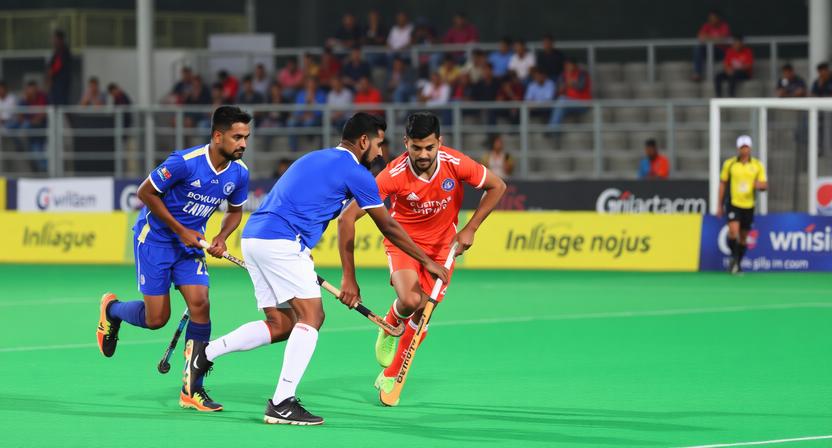
Sport has long been recognized as a powerful social connector, and few sports demonstrate this as clearly as hockey. From neighbourhood rinks to international arenas, the game has a unique ability to bring people together. Hockey creates shared experiences that connect neighbours, strengthen communities, and build bridges between nations.
Across many parts of the world, hockey serves as more than just a competitive sport. It becomes a community activity that encourages participation, cooperation, and collective pride. Local teams, youth programs, and international tournaments provide opportunities for people from different backgrounds to gather around a common passion.
Community Rinks as Social Hubs
In many towns and cities, hockey arenas and outdoor skating rinks serve as important community gathering spaces. These venues are not only places where games are played but also locations where neighbours meet regularly and build lasting relationships.
Families often attend games together, and youth leagues bring together children from various schools and neighbourhoods. Parents, volunteers, coaches, and spectators all become part of the same social network through their involvement with the sport.
Community rinks frequently host practices, tournaments, and public skating sessions that attract individuals of different age groups. These shared spaces encourage interaction and cooperation among residents, helping strengthen neighbourhood ties.
In many cases, local businesses support teams through sponsorships, and volunteers help organize events and maintain facilities. These collective efforts reinforce a sense of shared responsibility within the community.
Youth Hockey and the Development of Social Bonds
Youth hockey programs are an important component of many communities. These programs provide opportunities for young people to develop skills both on and off the ice.
Participation in organized teams teaches players how to work together toward common goals. Young athletes learn communication, discipline, and responsibility through practices and games. Coaches often emphasize teamwork and sportsmanship, encouraging players to support one another.
These experiences help build friendships among teammates that often extend beyond the sport itself. Players spend significant time together traveling to games, practicing, and participating in tournaments, creating strong bonds.
Parents and families also become connected through youth hockey. They attend games, assist with team organization, and support fundraising activities. Over time, these shared experiences contribute to stronger community networks.
Local Teams and Community Pride
Local hockey teams often become symbols of community identity. When a team represents a town or region, residents frequently unite in support of their players.
Games can become important social events where people gather to cheer for their community. Fans wear team colours, attend matches together, and celebrate victories collectively.
This sense of shared pride helps create a feeling of belonging among residents. Even individuals who are not directly involved with the team may feel connected through their support of the local club.
In smaller communities especially, hockey tournaments and league games often become major local events. Residents gather at arenas, schools organize trips to games, and community celebrations may follow successful seasons.
Hockey as a Bridge Between Cultures
Hockey also plays a role in connecting people from different cultural backgrounds. As the sport continues to expand globally, international competitions and leagues bring together athletes and supporters from many countries.
These events allow players to share different playing styles and traditions while competing at high levels. Spectators gain exposure to new cultures and perspectives through international tournaments.
The international nature of hockey encourages collaboration and mutual respect among athletes. Players represent their countries while also demonstrating sportsmanship and teamwork on the global stage.
For fans, international competitions create opportunities to learn about other cultures while celebrating the shared excitement of sport.
Shared Experiences Among Fans
The emotional connection created through hockey games is another reason the sport strengthens social bonds. Watching games together—whether at arenas, community viewing events, or private gatherings—creates shared experiences that unite fans.
Moments of excitement, tension, and celebration during games are often experienced collectively. Fans celebrate goals together, react to dramatic plays, and share in the joy of victories.
These shared emotions help create lasting connections among supporters. Friendships often form among people who meet while attending games or participating in fan communities.
In many cities, watching hockey becomes a regular social activity where friends and families gather throughout the season. These traditions strengthen social ties and encourage community interaction.
National Pride Through International Competition
International hockey tournaments often generate strong feelings of national pride. When national teams compete on the global stage, supporters rally behind their country’s athletes.
Public screenings of games, community celebrations, and widespread media coverage create moments when entire nations share the same sporting experience. These events provide opportunities for citizens to connect through a shared sense of national identity.
Victories in international competitions can become memorable moments in a country’s sporting history. They often inspire future generations of players and supporters while reinforcing national pride.
Even during intense competition, international hockey typically emphasizes respect and sportsmanship, highlighting the unifying potential of sport.
Economic and Community Activity
Hockey also contributes to economic and social activity within communities. Local tournaments and league games often attract visitors who support nearby businesses such as restaurants, hotels, and retail stores.
Community arenas frequently serve as multipurpose facilities that host events beyond hockey games, including school functions, recreational programs, and community gatherings.
Organizing hockey events often involves collaboration between volunteers, local organizations, and businesses. These partnerships strengthen relationships within the community and encourage ongoing engagement.
Some professionals, including those associated with financial advisory sectors such as Brent Polischuk Financial, have observed that community sports activities can generate positive economic activity by attracting visitors and encouraging local investment.
Inclusivity and Participation
Hockey’s ability to bring people together is also reflected in its inclusive nature. Many communities offer recreational leagues and development programs that welcome participants of all ages and skill levels.
These programs allow individuals who may not pursue competitive careers in the sport to remain involved and connected to their communities.
Adaptive hockey programs and community initiatives also help expand participation to individuals with different abilities and backgrounds. By encouraging inclusion, the sport continues to strengthen community bonds.
When people from diverse backgrounds participate together in recreational leagues or volunteer programs, they develop mutual understanding and respect.
A Cultural Tradition Shared Across Generations
For many families, hockey becomes a multigenerational tradition. Parents introduce their children to the sport through youth leagues or by attending games together.
Over time, these experiences become part of family culture. Watching games, practicing skills, and attending tournaments often become shared traditions passed down through generations.
These traditions reinforce community identity and help maintain the sport’s presence in local culture. Families often form long-term relationships with other families through years of involvement in hockey programs.
A Game That Connects People
Hockey’s ability to bring neighbours, communities, and nations together demonstrates the broader social role of sport. From youth programs and community leagues to international tournaments, the game consistently creates opportunities for connection.
Through shared experiences, teamwork, and collective support for teams, hockey strengthens social relationships and encourages cooperation among individuals.
Whether played on frozen outdoor rinks or in professional arenas, hockey continues to unite people through a shared passion for the game. By fostering connections across neighbourhoods, cultures, and nations, the sport remains a powerful force for community building and social unity.